A Pocket Full Of Electronic Books
17 April 2024

On the train,
flying north.
A pocket full of electronic books,
a window full of misty countryside.
The window wins.
On the train,
flying north.
A pocket full of electronic books,
a window full of misty countryside.
The window wins.
A short weeknote this week as I had an injection into my wrist on Thursday and I’m still resting it.
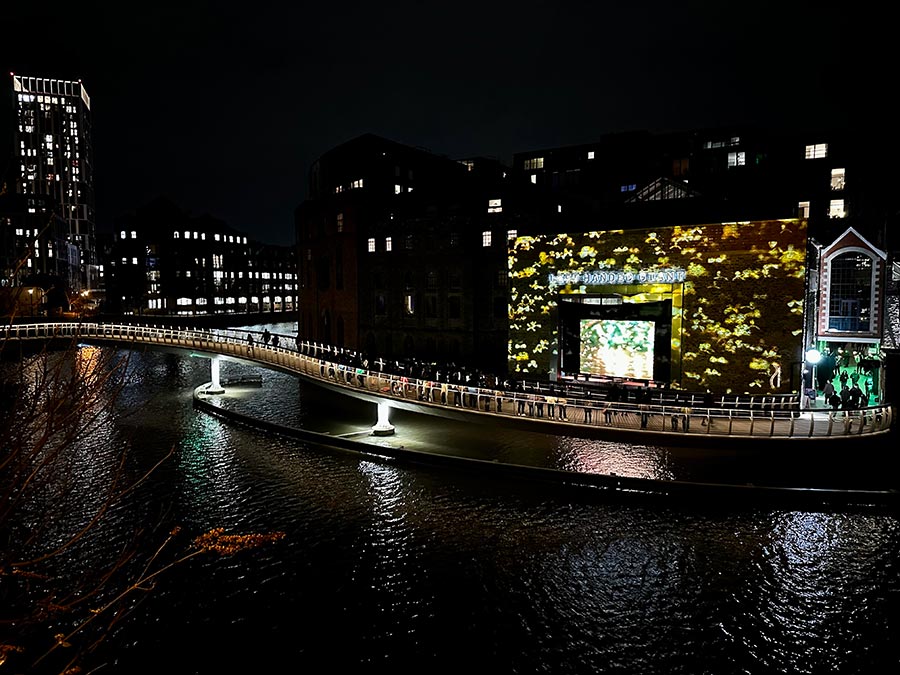
I was in Bristol on Monday and Tuesday which coincided with the Bristol Light Festival. On Monday evening we went to the Left Handed Giant brewpub which was being used as a huge ‘screen’ upon which animations were projected. A great brewpub and an amazing light show.
The injection was steroids to treat a tendon in my left wrist. Guided by ultrasound it was incredible to see the needle approach the tendon and then the steroid liquid surround it.
The needle was incredibly fine but on the screen it looked like a drainpipe.
I woke Friday morning without pain in my wrist for the first time in months, so it looks like the injection worked.
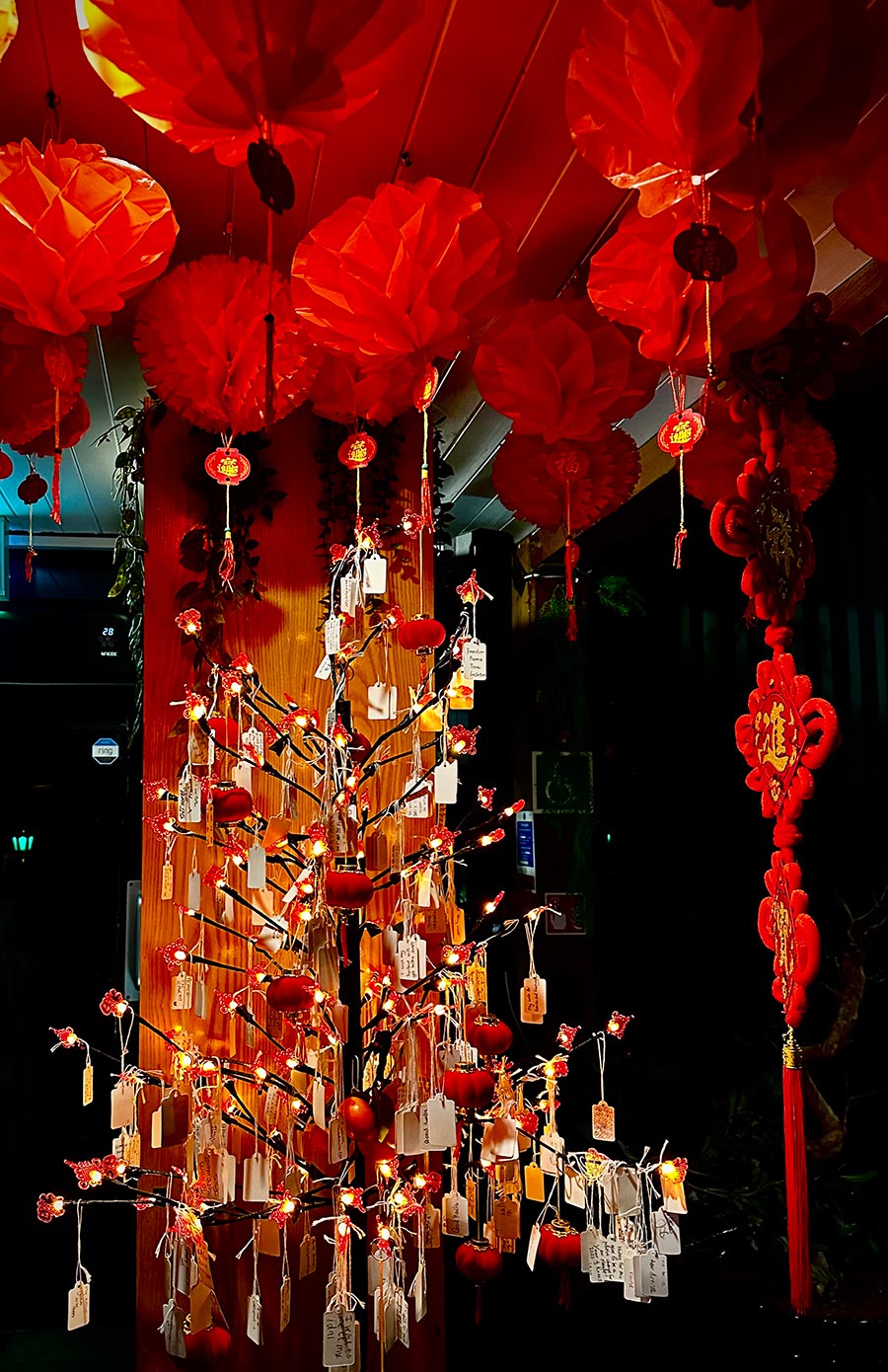
On Friday night we celebrated Chinese New Year. OK, it was an excuse for a ‘slap up’ takeaway, but it was lovely to sit down as a family and spend time together as we’ve got some busy weekends coming up over the next few weeks.
On Saturday I watched the Miners Strike 1984 documentary series on Channel 4. I was 13 when the Miners Strike started and it’s fair to say it helped define my politics. I didn’t think I could loathe Thatcher more than I did, turns out I was wrong. The episode on the Battle of Orgreave is extraordinary.
This afternoon we watched Killers of the Flower Moon. An amazing story in the truest sense of the word, with typically brilliant performances from DiCaprio and Di Niro. Yes, it’s long but it’s definitely worth the investment of your time.
It’s odd writing this in Bristol describing last Monday, which also found me in this lovely city.
On Monday I worked from the agency offices, sadly our plans for the day were derailed due to sickness so I ended up spending the day in a large meeting room all on my own.
The evening, however, was much more pleasant with a lovely dinner at The OX with the team I worked with both on the Tredz redesign and now in my current role. A fun night with smart people plus good food, what’s not to like?
Due to the change of plans, I headed home early on Tuesday rather than occupy a meeting room.
Wednesday started very oddly. I woke up feeling a little rough, got up and immediately had a massive nosebleed. And I do mean massive, it was literally poring out of my face taking a good 15 minutes to subside and stop. My wife estimated I probably lost between one and two pints of blood, which may explain why I felt a trifle ‘odd’ for the rest of the day.
My wife was wonderful in looking after me, but I am a little concerned about how quickly and efficiently she could clear up so much blood ;)
Thursday was derailed by the rumours and then news that Lewis Hamilton was leaving Mercedes and moving to Ferrari in 2025. As a house of F1 fans, and varying degrees of fandom for Lewis and Ferrari ranging from respect to obsession it was a busy day on the family group chat.
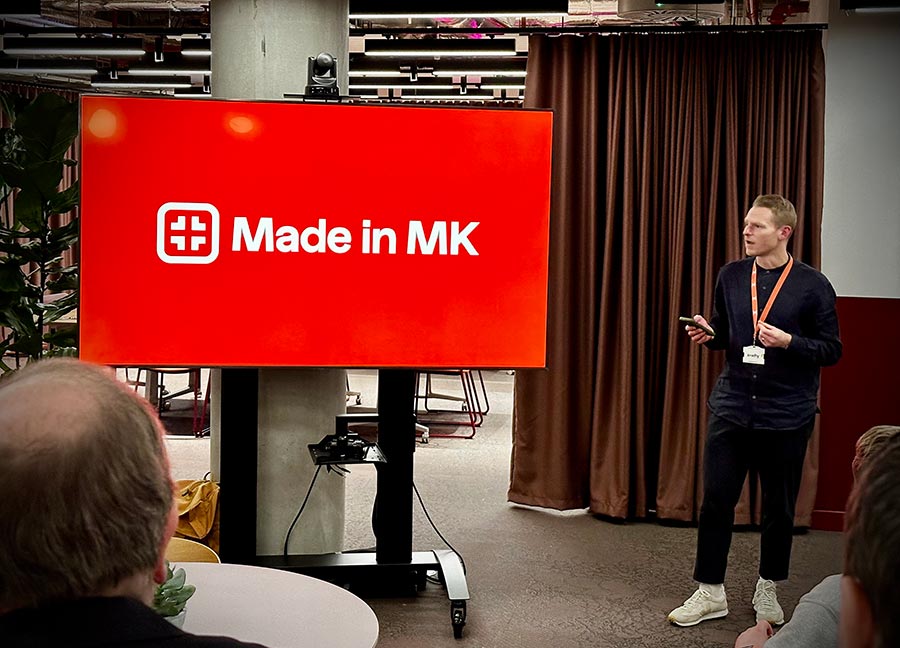
Thursday evening I attended Made In MK a local social/networking event. This was the first one I’ve attended since Covid and instead of being held above a brewpub was held in X+Why a new co-working space in Santander’s Unity Placebuilding. This venue change seemed to shift the dynamic from social to networking so I didn’t stay late.
I’m not a ‘networker’ and I recognise that I’m unlikely to find work doing what I currently do at an event like that, so it’s fascinating to watch those who are there to network, especially as so many appear to be quite terrible at doing so.
One encounter was particularly interesting, we were approached by somebody who said they were and ‘coach’ and upon finding out what my friend did immediately blanked him, simply based on his ‘job title’. The irony is that he’s far better connected in MK than me and far more likely to be able connect the ‘coach’ with potential clients. How we chuckled.
Friday evening was one of those nights that is unplanned but turns out to be great fun. My daughter and I are both remote workers and since she started working remotely we’ve said we should do ‘after-work’ drinks on a Friday – this week we finally did.
We were going to walk over to our closest pub, but it’s not brilliant so we decided to head into Stony Stratford, a small town near us and the home of the Cock and Bull story, and check out opening night of Have I Got Brews For You a new craft beer bar.
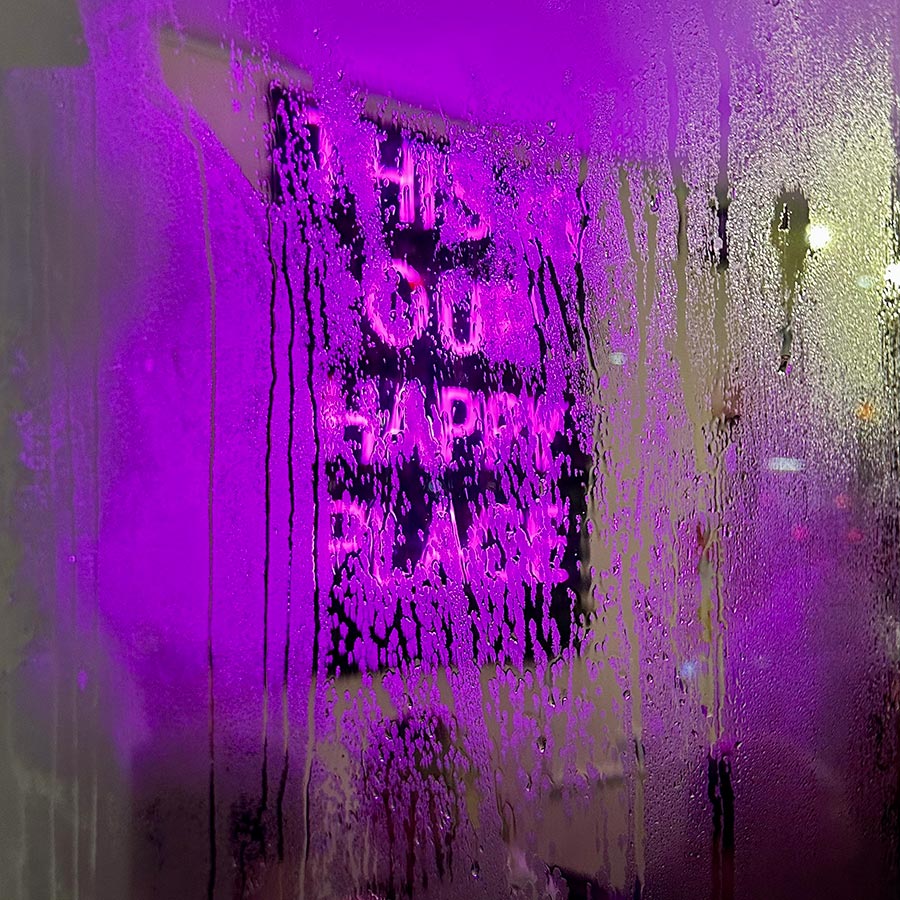
The bar was great and absolutely rammed, so good to see support for a local independent. With both Deya and Verdant on draft, there was much Untappd action, and it seems I have been using Untappd for 10 years now!
I initially started using it so I could track what I’d tried at The Euston Tap and not repeat myself. I have no idea why I’ve stuck with it for so long, but as a registered beer geek, it’s both fun and useful in equal measure. Checking now I see I’ve checked in 1,266 different beers.
After Have I Got Brews For You we wandered down to Calcutta Brasserie for dinner. My son’s plans had changed so he was able to join us which added to the unplanned and fun nature of the evening.
Saturday was a relaxed day, with us all experimenting with wife’s new Instax Wide camera – Fuji’s modern-day answer to the Polaroids of old.
In the afternoon I watched the rugby, Italy were surprisingly solid, the best I’ve seen them play I feel. England played better than I expected but were sloppy to concede a third try in the final minutes of the game.
Today we popped out for ‘brunch’ at the Super Sausage again, the last time for a little while or I fear for my arteries.
I then packed and hit the road with the SatNav Fairies taking me on a new route across the Cotswolds to the M5 and down to Bristol. I must say the Cotswolds looked particularly good in the low winter sun, I do like this part of the country.
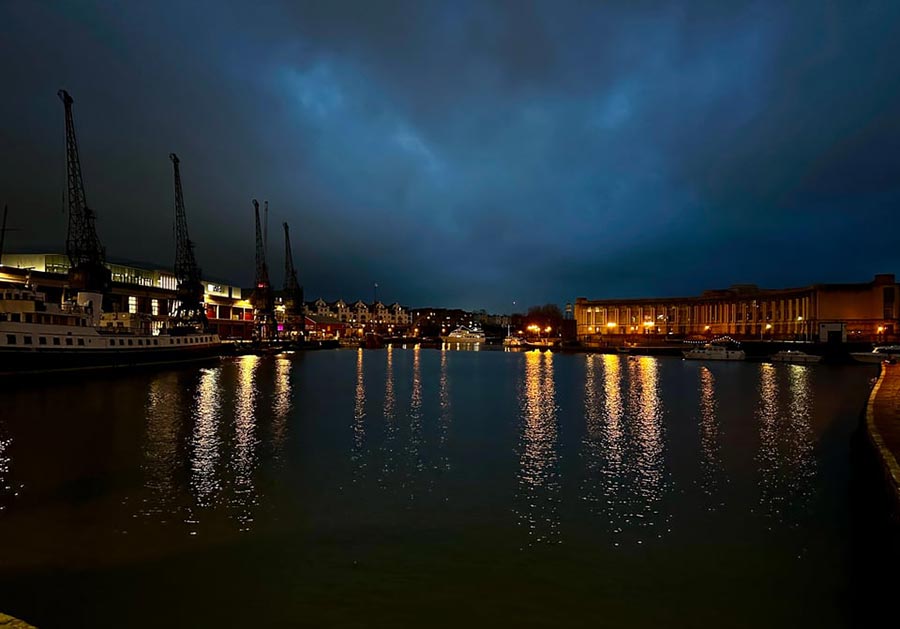
I’m back in Bristol for a couple of days this week and next working with our agency team.
It’s funny, I’ve been here dozens of times now on my own and just twice with my wife, but it feels more like one of our places than a solo destination. Which I rather like.
It’s been a fairly quiet week, but one where lunches have paid a prominent part.
On Tuesday I met my good friend Andrew F for lunch, he’s working with a client in Milton Keynes at the moment which is giving us extra opportunities to catch up, which is always a good thing.
Thursday I’d been due to meet Christian H for breakfast, but it seems by planning breakfast we upset the Lunch Gods and he was taken ill. Next time we’ll meet for lunch…
Then on Friday I caught up with Mark W, we had intended to meet at Canal St coffee but upon getting there first I found it utterly rammed with not a single table free. So sadly we had to relocate to Out of Office, which is the second class option these days. Milton Keynes needs more coffee shops…
The lunch highlight of the week was Saturday’s lunch at the Ivy Brasserie in Cambridge. My wife had spotted an excellent fixed price menu with two courses for £19.17 marking the year the Ivy opened, so we thought we’d take advantage of such a tasty offer.
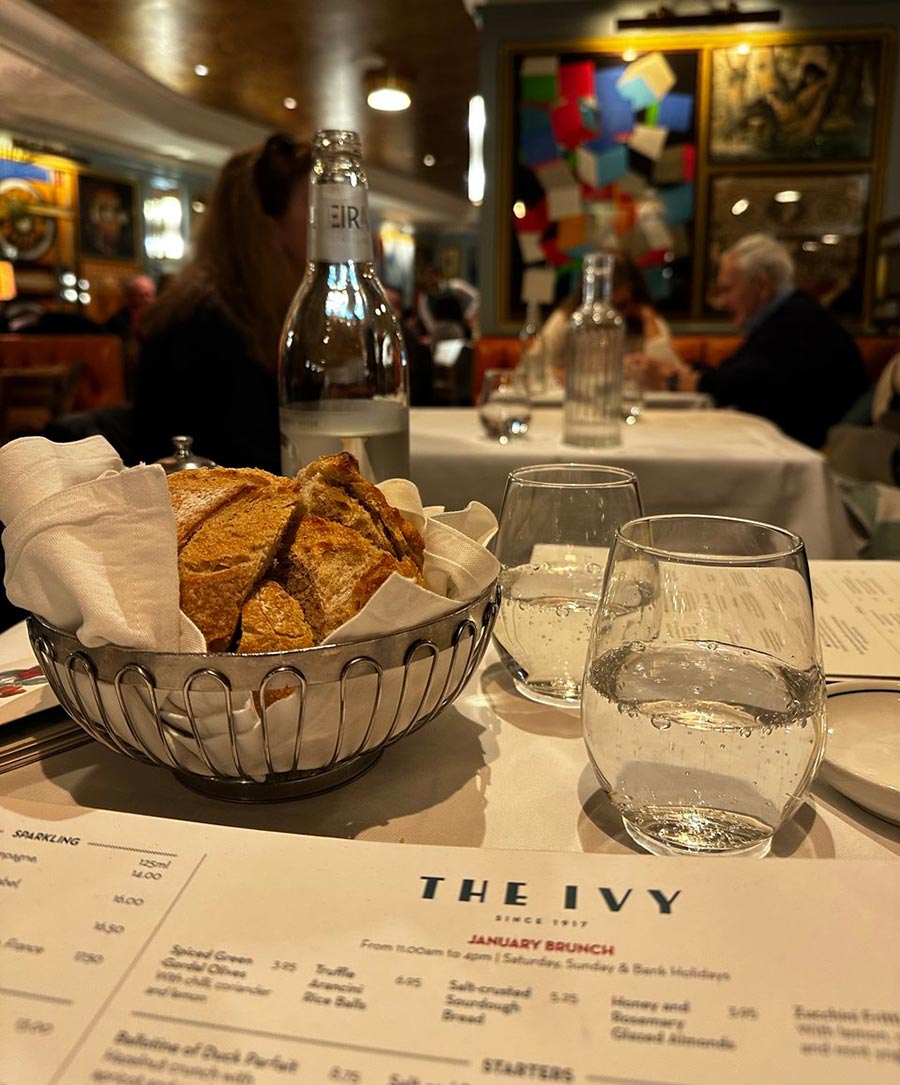
However, with my typical erm enthusiasm I turned what should have been a bit of a bargain in to a three digit lunch, although to be honest it was still excellent value.
The food was delicious, the service was perfect and delivered with both personality and care and the surroundings were suitably ‘Deco’ feeling for a 1917 menu.
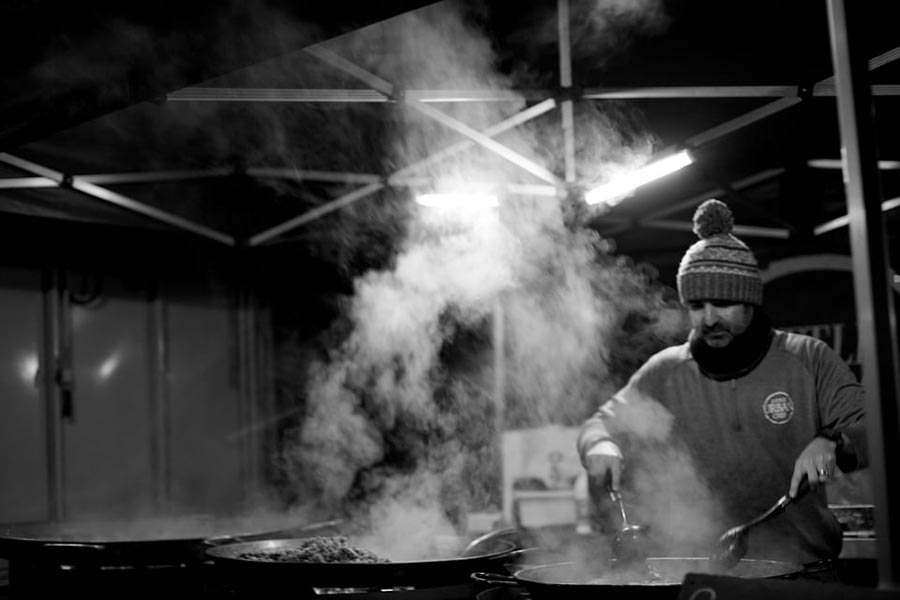
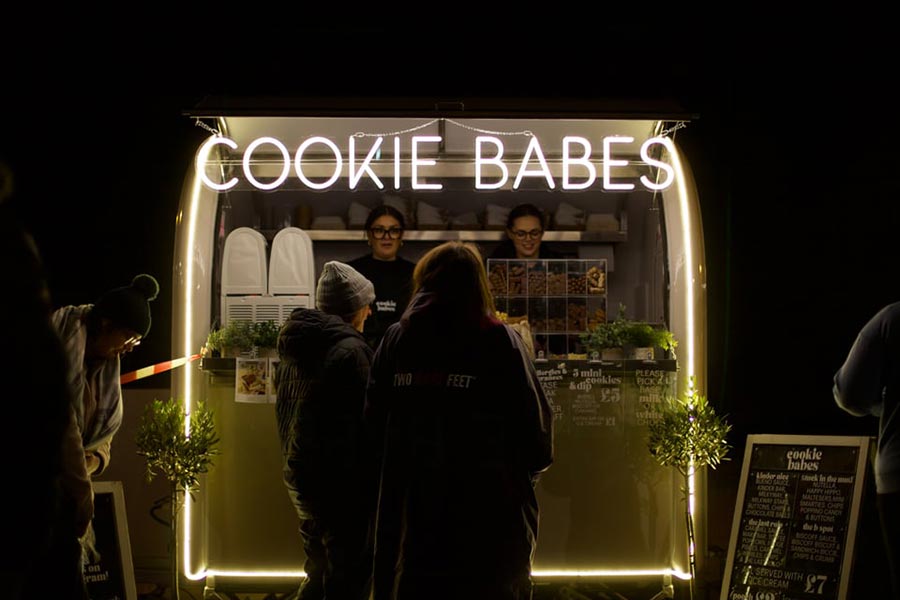
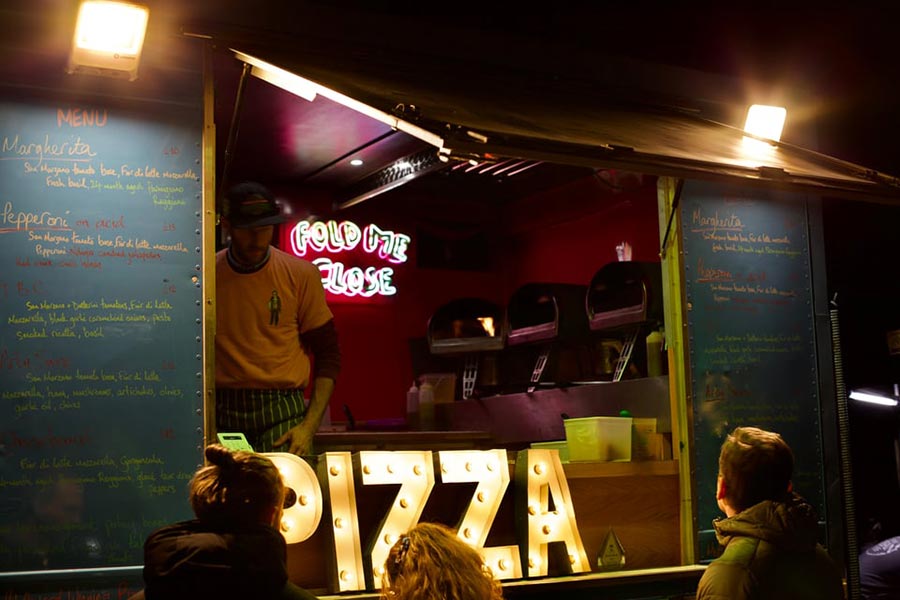
Adding to the food centric week we’ve had, on Friday we popped along to Eat St. MK, a local street food event.
My son took his camera along and captured some superb images.
Tonight I dined alone, but I dined at Cargo Cantina on Wapping Wharf so I dined well. The loaded nachos were amazing as was this elderflower and jalapeño margarita.
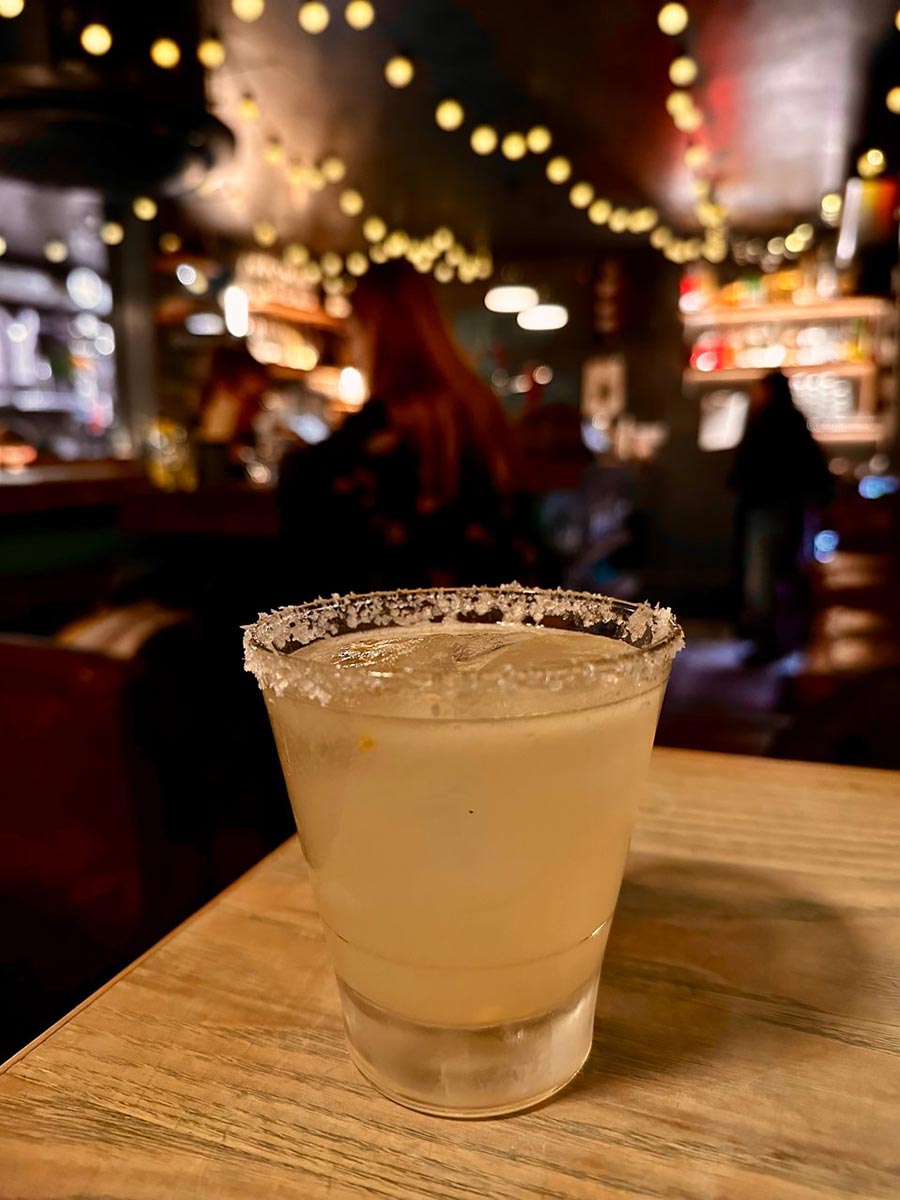
Muy bueno…
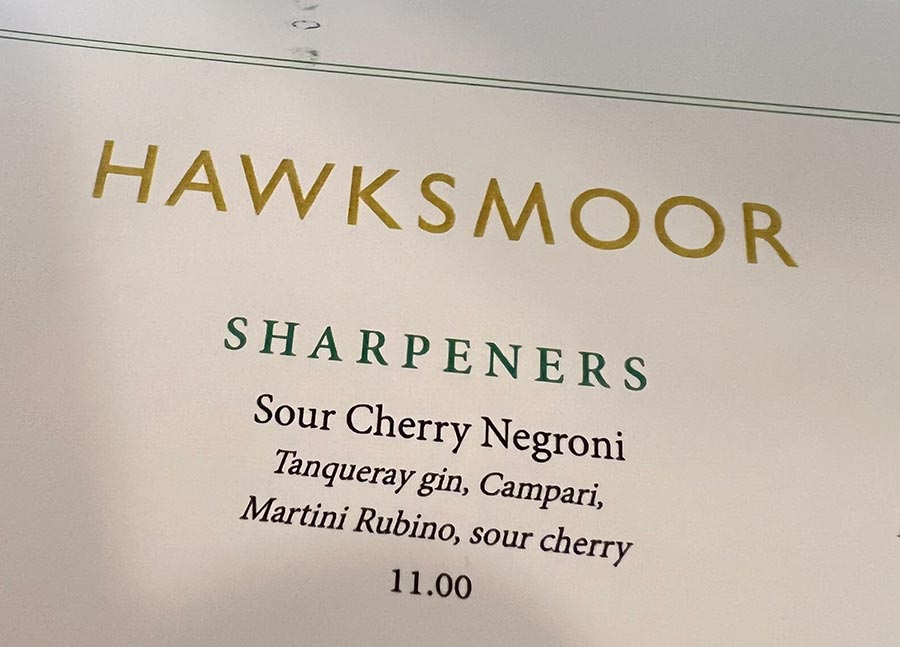
I’m sitting here listening to Storm Isha battering our battened hatches, and remembering Storm Eunice. I was ‘trapped’ in London for an extra day but managed to find shelter from the storm in Hawksmoor Borough. Desperate times and all that…
As a fountain pen user, I have a Sunday ritual of cleaning and filling my pens that are low on ink. I have a small (ahem) collection of Lamy Safari and Al-Star fountain pens, one of my very favourites is the Copper Orange special edition from 2015.
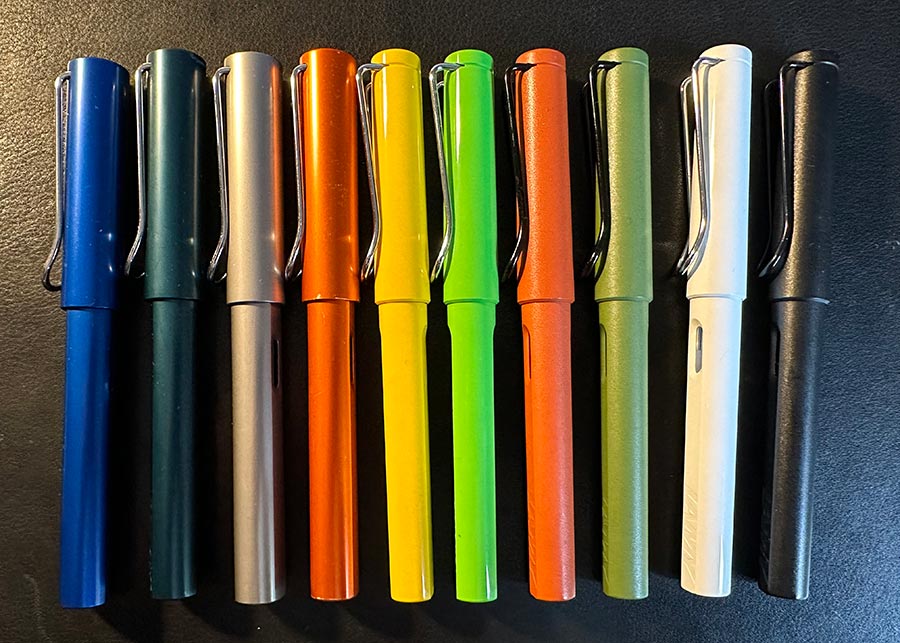
It’s my favourite Lamy by far and the special edition ink Lamy released with it is both Lamy’s best ink and the best orange ink I’ve used.
Annoyingly the Copper Orange ink was only released in cartridges and so I was more than a little sad when I found the empty cartridge in my pen was my last.
I’ve ordered cartridges that were advertised as Copper Orange but turned out to be just orange before, so I didn’t hold out much hope of finding any stock online.
I found a listing on eBay and ordered with some trepidation. The parcel arrived quickly and was very well packaged which gave me some hope, surely a fraudster wouldn’t go to this much effort. Would they?
I removed the Barbour Sean The Sheep tissue paper that had been wrapped around the cartridges and… they were genuine Copper Orange. All praise the holy ink well.
I know have a stock of just 15 cartridges, but I am tempted to look for more to create my own Copper Orange ink lake.

The highlight of this week was formally launching All Flows 2024.
We already have an amazing lineup of speakers, with more to follow soon. We have a very cool new website courtesy of my talented friend Richard. More importantly, we have a massive 40% off for Mega Early Bird tickets. If you are thinking of coming – book now and save some serious money.
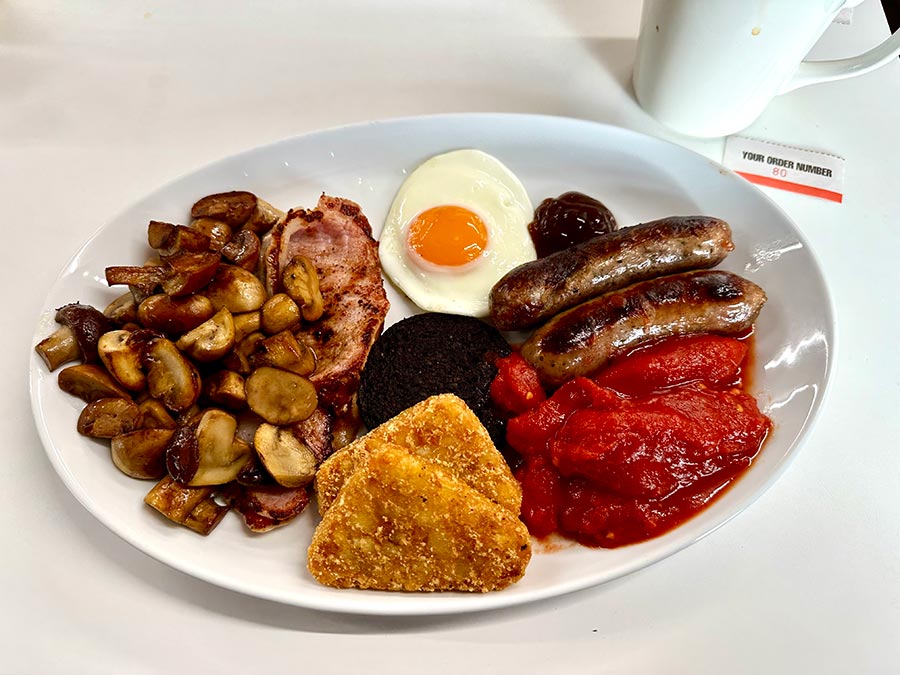
On Saturday I had a very pleasant morning with my son; after a trip to the barbers we had coffee and then popped up to the Super Sausage Cafe for ‘brunch’ which was epic as always.
This morning my lovely wife and I popped to Canal Street Coffeefor breakfast. The coffee was excellent as always and supplied by a new (to me) local roaster Doe and Fawn.
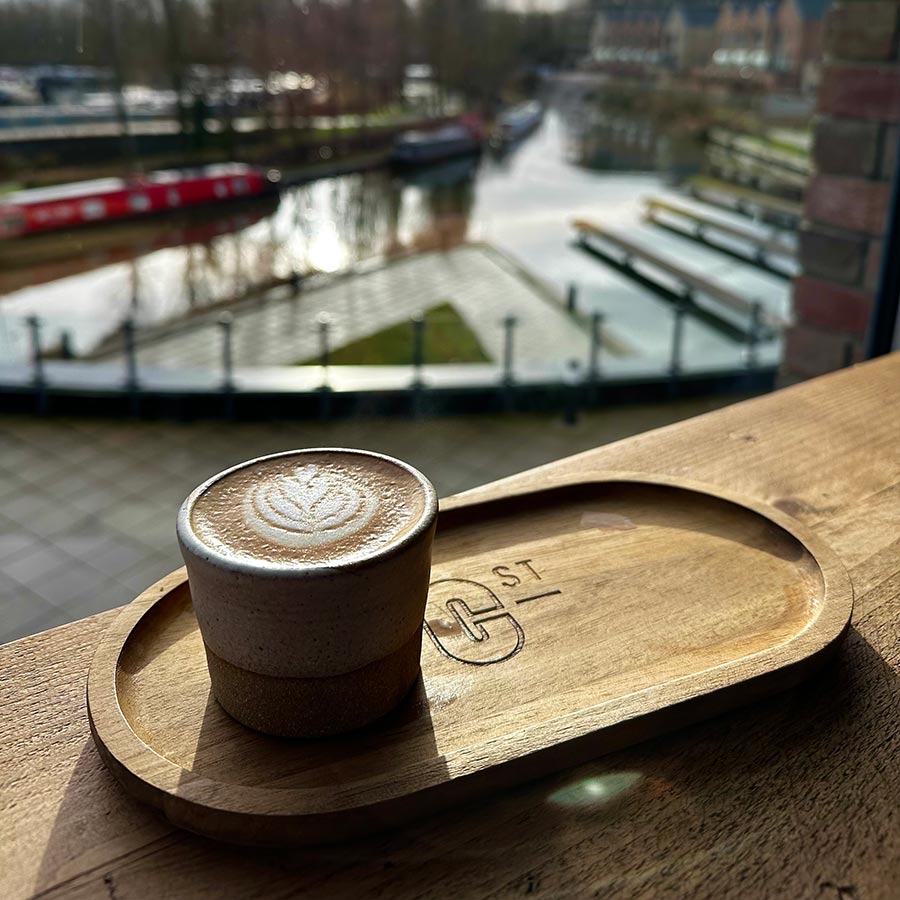
I have a bag of their filter coffee on order which I’m really looking forward to trying. I hope their filter is as good as their espresso – review to follow.

I was in the office on Tuesday and Wednesday and had my first social event with my peers and teammates on Tuesday evening. Going in I didn’t really know what to expect, most of them have worked together for 10 – 12 years, but it turned into rather a good night. When I went out I did not expect to be getting in at 2:30am the next morning.
Wednesday morning confirmed that after 30-plus years of not getting hangovers, I do indeed now get hangovers.
I had to head back after lunch as I had an MRI scan later in the day. My last MRI scan had been at the local NHS hospital which turned into an unnerving experience; the scan was of my head so it had to be held still in a, for want of a better term, cage. My nose touched the cage and then my shoulders touched the inside of the MRI unit which freaked me out.
I’ve never been claustrophobic so this was a surprise and not a good one. The operators removed some padding from the cage so my nose no longer touched it and I managed to get through the scan.
It occurred to me that our outer extremities, like our nose and shoulders, must work in a similar manner to a cat’s whiskers – if my nose and shoulders are touching something then my monkey brain is telling me that this space is too small.
The MRI on Wednesday was very different being held at a private hospital and being a scan of my wrist so only my arm needed to go inside the MRI unit. Although I would have been happy to be inside this one as it must have been twice the size of the one at the NHS hospital.

Thursday morning I met my friend Christian for breakfast and caught up on his exciting news and imminent life changes. I must admit to being a tiny bit envious of his impending digital nomad status.
We had a relatively quiet weekend with nothing particular planned which has proved the wisdom of my shift to the Apple Watch. After a relaxed morning yesterday, it was clear that the chance of closing my rings was unlikely unless I got up and got out, so I went for a walk and did the same again today.
The Snoopy watch faces released in WatchOS 10 are great fun, not what I want as my everyday watch face as I like a very minimal watch face, but I’m enjoying what I’ve christened Snoopy Sundays and using them for a change on the weekend.